




Prince Frederick Chrysler Jeep Dodge

Blog

Trading In? How to Get the Max Value for Your Vehicle in Southern Maryland

Succesful Car Deal

When you're ready to upgrade to a new vehicle, understanding how to maximize your trade-in value can make a significant difference in your overall deal. Whether you're driving a sedan, truck, SUV, or crossover, the preparation you put into your trade-in can directly impact the amount you receive. At Lexington Prince Frederick CDJR, we work with Southern Maryland drivers every day to ensure they get fair value for their current vehicles. This comprehensive guide will walk you through the essential steps to prepare your vehicle for trade-in and help you understand what factors influence its worth.

Understanding What Determines Your Vehicle's Trade-In Value

Before you visit a dealership, it's helpful to understand the key factors that affect how much your vehicle is worth. Trade-in values aren't arbitrary—they're based on specific, measurable criteria that dealers use to assess vehicles.

Market demand plays a crucial role in determining value. Certain vehicle types may be more desirable at different times of the year or in specific regions. In Southern Maryland, for example, trucks and SUVs often maintain strong demand due to the area's mix of rural and suburban communities.

Vehicle condition encompasses both mechanical functionality and cosmetic appearance. A well-maintained vehicle with minimal wear and tear will naturally command a higher price than one showing signs of neglect or damage.

Mileage remains one of the most straightforward indicators of a vehicle's remaining lifespan. Lower mileage typically translates to higher value, though this factor works in conjunction with others rather than in isolation.

Age and model year affect value as newer vehicles generally depreciate less than older ones. However, certain models hold their value better than others based on reliability ratings and brand reputation.

Service history demonstrates how well you've cared for your vehicle. Complete maintenance records show potential buyers that the vehicle has been properly serviced throughout its life.

Preparing Your Vehicle for Maximum Trade-In Value

The work you put into preparing your vehicle before heading to the dealership can yield substantial returns. Think of this preparation as an investment in getting the best possible offer.

Mechanical Preparation

Start by addressing any mechanical issues that could reduce your vehicle's value. While you don't need to invest in major repairs, certain fixes make financial sense:

Take care of minor repairs such as burnt-out lights, worn wiper blades, or fluid leaks. These inexpensive fixes prevent the impression that the vehicle has been neglected and can significantly impact first impressions during the appraisal.

Ensure all warning lights are addressed. A check engine light or other dashboard warnings will immediately reduce your vehicle's value. Having these diagnosed and repaired before your trade-in appraisal is typically worthwhile.

Complete recommended maintenance. If your vehicle is due for an oil change or other routine service, getting this done beforehand shows the dealership that the vehicle is ready for resale without immediate investment.

Cosmetic Preparation

The visual appeal of your vehicle matters more than many people realize. A clean, well-presented vehicle suggests careful ownership and can influence the appraiser's perception of overall condition.

Deep clean the interior. Remove all personal belongings, vacuum thoroughly, clean all surfaces, and address any stains on upholstery or carpeting. Pay special attention to areas that accumulate debris like door pockets, cup holders, and under the seats.

Detail the exterior. A professional detail or thorough hand wash and wax can make your vehicle look significantly newer. Clean the wheels, tires, and wheel wells, as these areas often get overlooked but contribute to overall appearance.

Address minor cosmetic damage. Small dents, scratches, or paint chips can sometimes be repaired inexpensively. Evaluate whether the cost of these repairs might be recovered in a higher trade-in value.

Eliminate odors. Smoke, pet, or food odors can substantially decrease a vehicle's appeal. Use appropriate cleaning products or have the vehicle professionally deodorized if necessary.

Gathering Important Documentation

Having the right paperwork ready demonstrates organization and can expedite the trade-in process. It also provides verification of your vehicle's history and maintenance.

Essential Documents to Bring

Document TypeWhy It Matters
TitleProves ownership and is required to complete the trade
RegistrationConfirms current registration status
Service RecordsDemonstrates proper maintenance and care
Owner's ManualShows completeness and adds value
Warranty InformationTransferable warranties can increase value
Repair ReceiptsDocuments any significant work performed
Extra Keys/FobsComplete key sets add value

Organize your maintenance records in chronological order to show the complete service history. Receipts from dealership service departments carry particular weight as they verify manufacturer-recommended maintenance was performed.

Locate all keys and remotes. Missing keys or key fobs can reduce your trade-in value, as the dealership will need to replace them. If you have spare keys, be sure to include them with your trade-in.

Remove toll transponders and parking permits. These personal items should be removed and any associated accounts updated with your new vehicle information.

Timing Your Trade-In Strategically

When you trade in your vehicle can be just as important as how you prepare it. Several timing factors can influence the value you receive.

End of month or quarter periods often see dealerships motivated to meet sales goals, which can work in your favor during negotiations. Sales staff may have more flexibility to offer competitive trade-in values when they're working to hit targets.

Seasonal considerations affect certain vehicle types differently. Convertibles and sports cars may fetch better prices in spring and summer, while four-wheel-drive vehicles and SUVs might be more valuable heading into winter months.

Before major depreciation milestones is an ideal time to trade. Vehicles lose value when they cross certain mileage thresholds (like 100,000 miles) or age markers (like 10 years old). Trading just before these milestones can help you avoid a value drop.

When your vehicle is paid off eliminates the complexity of dealing with an outstanding loan, though trading with an existing loan is certainly possible. Having equity in your vehicle rather than being upside-down on your loan puts you in a stronger negotiating position.

Researching Your Vehicle's Value

Knowledge is power when it comes to trade-ins. Understanding your vehicle's approximate worth before visiting a dealership helps you set realistic expectations and recognize a fair offer.

Reliable Valuation Resources

Several reputable sources provide trade-in value estimates based on your vehicle's year, make, model, mileage, and condition:

  • Kelley Blue Book (KBB) offers detailed valuations and is widely respected in the automotive industry
  • Edmunds provides pricing information and often includes dealer trade-in offers in your area
  • NADA Guides specializes in vehicle valuation and is frequently used by dealerships themselves
  • CarGurus shows instant cash offers from dealers and market analysis

When using these tools, be honest about your vehicle's condition. Most sites use categories like "Excellent," "Good," "Fair," and "Poor." Overestimating your vehicle's condition will lead to inflated expectations that won't match actual offers.

Consider getting multiple appraisals. Different dealerships may value your vehicle differently based on their current inventory needs. Lexington Prince Frederick CDJR offers complimentary appraisals that provide you with a clear understanding of what your vehicle is worth in today's market.

Understanding the Difference Between Trade-In Value and Private Sale Value

It's important to recognize that trade-in value typically differs from what you might receive in a private party sale. Each approach has distinct advantages and considerations.

Trade-In vs. Private Sale Comparison

FactorTrade-InPrivate Sale
ConvenienceHigh - single transactionLow - requires advertising and showing
Time InvestmentMinimalSignificant
Sale PriceLower than private salePotentially higher
Tax BenefitsSales tax credit in most statesNo tax advantage
Payment SecurityGuaranteedRisk of scams or payment issues
Liability TransferImmediateUntil title transfer completes

The convenience factor of trading in your vehicle shouldn't be underestimated. You avoid the hassle of advertising, fielding calls and emails from potential buyers, arranging test drives with strangers, and handling payment collection.

Tax advantages vary by state, but in Maryland, the trade-in credit reduces the taxable amount of your new vehicle purchase. This can result in significant savings that partially offset the difference between trade-in and private sale values.

Immediate liability transfer means you're no longer responsible for the vehicle once the trade-in is complete. With private sales, you remain liable until all paperwork is properly filed, which can take time and involves risk.

What to Expect During the Appraisal Process

Understanding what happens during a trade-in appraisal removes uncertainty from the process and helps you feel confident throughout the evaluation.

When you bring your vehicle in for appraisal, the evaluator will conduct a comprehensive assessment that typically includes:

Exterior inspection examines the body panels, paint condition, glass, lights, tires, and wheels for damage, wear, or needed repairs. The appraiser looks for evidence of accidents, rust, or frame damage that could affect value.

Interior inspection assesses the condition of seats, carpets, dashboard, headliner, and all interior components. Functionality of power features, climate control, infotainment systems, and other equipment is verified.

Mechanical evaluation may include starting the vehicle, checking fluid levels, listening to the engine, testing the transmission, and evaluating the brakes and suspension. A diagnostic scan may be performed to check for stored error codes.

Test drive allows the appraiser to assess how the vehicle drives, noting any unusual noises, vibrations, or performance issues that might indicate mechanical problems.

Vehicle history report is typically pulled to check for accidents, title issues, or other concerns that might not be immediately visible during the physical inspection.

The entire process usually takes 20-30 minutes, after which you'll receive a written appraisal that outlines the offer amount and remains valid for a specified period, often several days to a week.

Negotiating Your Trade-In Value

While trade-in appraisals are based on objective criteria, there's often room for discussion, especially if you've done your homework and prepared your vehicle properly.

Present your research by sharing the valuations you've obtained from reputable sources. If there's a significant difference between your research and the dealer's offer, ask for clarification on the discrepancy.

Highlight recent maintenance or repairs that may not be immediately obvious. New tires, a recent brake job, or a replaced battery all add value that should be reflected in the appraisal.

Focus on the trade-in separately from the new vehicle purchase. While dealers often negotiate these together, understanding each component individually helps you evaluate whether you're getting a fair deal overall.

Be realistic and respectful in your negotiations. Appraisers are professionals who evaluate vehicles daily, and their assessments are typically based on wholesale market values and reconditioning costs. If multiple appraisals from different dealerships are similar, that's a strong indication of your vehicle's actual market value.

Special Considerations for Southern Maryland Vehicle Owners

Living in Southern Maryland presents unique factors that can affect your vehicle's trade-in value, and being aware of these helps you present your vehicle in the best light.

Road salt exposure is less severe than in northern regions, but winter road treatments still occur. If you've regularly washed your vehicle's undercarriage during winter months, make this known, as it helps prevent corrosion.

Humidity and coastal proximity can affect certain vehicle components. Demonstrating that you've properly maintained your vehicle despite the humid climate shows conscientious ownership.

Rural road conditions in parts of Calvert, St. Mary's, and Charles counties can lead to more wear on suspension and undercarriage components. If you've had these areas serviced or components replaced, documentation proves the vehicle has been properly maintained.

Commuting patterns vary widely in Southern Maryland, from local driving to long commutes to the Washington D.C. area. Be prepared to explain your driving habits, as highway miles are typically easier on vehicles than stop-and-go city driving.

Common Mistakes to Avoid

Even well-intentioned vehicle owners sometimes make errors that can reduce their trade-in value. Being aware of these pitfalls helps you avoid them.

Neglecting pre-trade preparation is perhaps the most common mistake. Many people assume the dealership will handle all cleaning and repairs, but presenting a dirty, cluttered vehicle creates a poor first impression that can affect the offer.

Making expensive repairs before trading can backfire if the cost exceeds the value increase. Major repairs like transmission or engine work typically don't provide dollar-for-dollar returns on trade-ins. Consult with the dealership before investing in costly repairs.

Over-personalizing modifications such as custom paint jobs, aftermarket body kits, or non-standard wheels can actually decrease trade-in value if they limit the vehicle's appeal to mainstream buyers.

Forgetting to remove personal items from the vehicle can be problematic. Check all storage compartments, remove garage door openers, and ensure no personal information remains in navigation systems or phone pairings.

Not shopping around means potentially leaving money on the table. Different dealerships may value your vehicle differently based on their inventory needs and market position.

Providing incomplete information about the vehicle's history or condition can create problems during the appraisal. Honesty about accidents, repairs, or issues builds trust and leads to more accurate initial appraisals.

Frequently Asked Questions

How long does a trade-in appraisal take?

A typical trade-in appraisal takes between 20 and 30 minutes, depending on the vehicle's complexity and condition. The process includes a thorough inspection of the exterior, interior, mechanical components, and often includes pulling a vehicle history report.

Do I need to pay off my loan before trading in my vehicle?

No, you don't need to pay off your existing loan before trading in your vehicle. The dealership can work with your lender to handle the payoff as part of the transaction. If you owe less than the trade-in value, the equity can be applied to your new purchase. If you owe more than the vehicle is worth, options are available to address the negative equity.

Will modifications increase my trade-in value?

Most aftermarket modifications don't significantly increase trade-in value, and some can actually decrease it. Factory options and packages typically add value, but custom modifications appeal to a limited audience and may need to be removed or reversed before resale. Original equipment generally provides the best trade-in value.

What if my vehicle has damage or mechanical issues?

Vehicles with damage or mechanical issues can still be traded in, though the value will be adjusted accordingly. Being upfront about problems during the appraisal process is important. The dealership will assess the cost to repair these issues and adjust the offer to reflect these reconditioning expenses.

How long is a trade-in offer valid?

Trade-in offers typically remain valid for a specific period, often five to seven days, though this varies by dealership. This timeframe accounts for market fluctuations in wholesale vehicle values. If you don't complete your purchase within the validity period, the vehicle may need to be reappraised.

Can I trade in a vehicle that isn't registered in my name?

Generally, you must be the registered owner or have legal authority to sell the vehicle to trade it in. If the vehicle is registered to a spouse or family member, that person typically needs to be present to complete the transaction and sign the necessary paperwork.

Is it better to trade in or sell my vehicle privately?

The best option depends on your priorities. Trading in offers convenience, tax advantages in most states, and immediate transaction completion. Private sales may yield higher prices but require significant time, effort, and exposure to potential scams. Many people find that when factoring in the tax savings and convenience, trading in makes the most financial sense.

What happens to my license plates when I trade in my vehicle?

In Maryland, license plates typically stay with the owner rather than the vehicle, so you'll remove your plates when trading in. You can transfer these plates to your new vehicle or turn them in to the MVA if you're not immediately getting another vehicle. The dealership will provide guidance on the proper procedure.

Do I need to get my vehicle inspected before trading it in?

While a current Maryland inspection isn't required to trade in your vehicle, having one can demonstrate that the vehicle meets state requirements and is in good working order. However, dealerships conduct their own comprehensive inspections, so a pre-trade inspection isn't necessary unless you want it for your own information.

Can I trade in a leased vehicle?

Yes, you can trade in a leased vehicle, though the process differs slightly from trading an owned vehicle. The dealership will contact your leasing company to obtain the payoff amount, and if the vehicle's value exceeds the payoff, you may have equity to apply toward your next vehicle. If the payoff is higher than the value, you'll need to address that difference.

Maximize Your Trade-In Value at Lexington Prince Frederick CDJR

Getting maximum value for your trade-in vehicle comes down to preparation, research, and working with a dealership that values transparency and fair dealing. By following the steps outlined in this guide—properly maintaining your vehicle, preparing it for appraisal, gathering necessary documentation, and understanding the factors that influence value—you position yourself to receive the best possible offer.

At Lexington Prince Frederick CDJR, our experienced appraisal team evaluates hundreds of trade-in vehicles throughout the year, giving us deep insight into Southern Maryland's automotive market. We understand the unique considerations that affect vehicles in our region and work to provide fair, competitive valuations that reflect true market conditions. Our straightforward appraisal process is designed to be transparent and efficient, giving you a clear understanding of your vehicle's worth and how we arrived at our offer.Whether you're ready to trade in your current vehicle today or simply want to understand its value for future planning, our team is here to help. We invite you to visit Lexington Prince Frederick CDJR to receive a complimentary, no-obligation appraisal. Our commitment to serving the Southern Maryland community means treating every customer with respect and providing the information you need to make confident decisions about your automotive future.  Contact us or visit our Prince Frederick location and discover how we can help you maximize your trade-in value while finding the perfect next vehicle for your needs.
Recommended Posts

Explore the New 2026 Jeep Wrangler

Southern Maryland has no shortage of pavement, but it also has boat launches, shoreline roads, and backroads that turn to mud after a hard rain. A lot of SUVs look ready for that. Fewer are actually built for it. The 2026 Jeep Wrangler starts at an estimated $38,030 MSRP and offers up to 470 horsepower, Rock-Trac 4WD, and Tru-Lok locking differentials, giving Prince Frederick, MD shoppers a new Jeep for sale built for real off-road capability, not just the look of it. We have sold and serviced Wranglers for drivers across Prince Frederick, Huntingtown, Lexington Park, Waldorf, and the Washington DC area long enough to know what people actually ask about before they buy one. This guide breaks down what changed for 2026, what each trim actually offers, and how to figure out which Wrangler fits your budget and how you plan to use it. Key Points: 2026 Jeep Wrangler Features Three engines, zero plug-in hybrids. The 2026 lineup runs on a 2.0L turbo four-cylinder, a 3.6L V6, or a 470-horsepower 6.4L V8, since Jeep discontinued the Wrangler 4xe plug-in hybrid for this model year across the board. Every trim earns the Trail Rated badge, but Rubicon models add Rock-Trac 4WD, available Tru-Lok locking differentials, and an electronic sway bar disconnect for the terrain regular SUVs cannot handle. Pricing spans a wide range, from an estimated $38,030 for a 2-door Sport to $71,990 for a V8-powered 392 model, which means Southern Maryland shoppers on different budgets can still land on a Wrangler that fits. 2026 Jeep Wrangler Trim Lineup at a Glance Sixteen trims is a lot to sort through on your own. Here is the lineup broken down by body style, engine, and starting price so you can narrow it down fast. Trim Group Body Style Engine Est. Starting MSRP Sport, Willys, Sport S 2-Door 2.0L Turbo I4 $38,030 Sport, Willys, Sport S, 85th Anniversary 4-Door 2.0L Turbo I4 / 3.6L V6 $41,035 Sahara 4-Door 3.6L V6 $50,905 Rubicon X 2-Door 2.0L Turbo I4 $47,810 Rubicon 4-Door 3.6L V6 $51,735 Moab 392 / Willys 392 4-Door 6.4L V8 HEMI $71,990 Figures reflect manufacturer starting MSRP and exclude taxes, title, license, and dealer fees. Pricing and available trims can change, so contact Prince Frederick CJDR to confirm current availability and pricing. A few things jump out once you see it laid out this way. The gap between the entry-level Sport and the Rubicon is smaller than most shoppers expect, especially once you factor in what Rock-Trac and locking differentials add for actual trail use. The 392 models sit in their own category entirely, built more for buyers chasing V8 power than maximum efficiency. And because the 2.0L turbo and 3.6L V6 overlap across several trims, engine choice comes down more to how you drive day to day than which trim badge is on the fender. What Engines Power the 2026 Jeep Wrangler? The 2026 Wrangler drops the 4xe plug-in hybrid entirely. Jeep discontinued it along with every other Jeep, Chrysler, and Dodge plug-in hybrid model this model year, so every 2026 Wrangler runs on gas. Base trims get a 2.0L turbocharged four-cylinder producing 270 horsepower and 295 lb-ft of torque, enough for daily driving and light towing. Step up to the 3.6L Pentastar V6 and you get 285 horsepower with a more traditional Jeep powertrain feel. At the top of the lineup, the 6.4L V8 HEMI in the 392 models delivers 470 horsepower and 470 lb-ft of torque, making it the most powerful gas Wrangler Jeep has ever built for retail sale. Max towing across the lineup reaches an estimated 3,500 lbs, enough for a small boat trailer common around the Patuxent River and Chesapeake Bay. Built to Earn the Trail Rated Badge A Trail Rated Jeep is a vehicle that has passed Jeep's own off-road testing standard, covering traction, water fording, maneuverability, articulation, and ground clearance. Every 2026 Wrangler carries this badge, not just the Rubicon. Non-Rubicon trims run Command-Trac, a part-time 4WD system with low-range gearing, and Selec-Trac full-time 4WD is available for drivers who want more flexibility on wet or mixed-surface roads. Rubicon models step up to Rock-Trac 4WD with a 4:1 low-range ratio, plus available front and rear Tru-Lok electronic locking differentials and an electronic front sway bar disconnect for serious articulation over rocks and ruts. Ground clearance reaches an estimated 11.1 inches on Rubicon, with an approach angle up to an estimated 47.4 degrees on 4-door models, among the best in its class. Doors Off, Top Down: The Wrangler's Signature Open-Air Features No other SUV in this price range lets you remove the doors, fold the windshield, and take the top off the way a Wrangler does. It is one of the clearest reasons drivers choose a Wrangler over a conventional crossover. Most trims come with a soft top standard, and buyers who want a cleaner look can add the available 3-piece removable hard top. The Sky One-Touch power top lets you open the roof at a stoplight without pulling over or removing a single bolt, which matters more than it sounds like the first time you use it on a warm Southern Maryland afternoon. Everyday Technology and Comfort A Wrangler built for the trail still has to work as a daily vehicle for most owners, and the 2026 model backs that up. A 12.3-inch touchscreen comes standard across the lineup, running Apple CarPlay and Android Auto for phone-based navigation and calls. Available adaptive cruise control and forward collision technology bring modern driver assistance to a vehicle whose reputation is built on going where those systems usually cannot help. The interior tech has closed the gap with mainstream SUVs without giving up what makes a Wrangler a Wrangler. Safety Features Built Into Every 2026 Wrangler A Wrangler's trail reputation doesn't come at the expense of everyday safety. Every 2026 model includes electronic stability control, hill-start assist, and trailer sway control as standard equipment. Electronic stability control (ESC) is a safety system that automatically applies braking to individual wheels to help the driver keep control during a skid or sudden maneuver, useful on a wet boat ramp near the Patuxent River or the highway into DC. Available driver assistance technology builds on that foundation. Adaptive cruise control and forward collision warning help ease long commutes from Waldorf or Lexington Park, and a standard rearview camera adds visibility older Wranglers never had. Off-road capability and modern safety tech are no longer a trade-off on the Wrangler. Which 2026 Wrangler Trim Fits You? Daily driver who wants Wrangler looks and lower cost: A 2-door Sport or Willys starts the lineup at an estimated $38,030 and covers commuting and weekend use without the Rubicon price tag. Family that needs more doors and cargo room: The 4-door Sport, Willys, or Sahara trims add rear-seat access and space without stepping up to Rubicon-level off-road gear. Serious trail use around Southern Maryland's backroads and shoreline access points: Rubicon trims bring Rock-Trac, locking differentials, and sway bar disconnect for terrain a standard 4WD system will not clear. Maximum power for towing or highway passing: The 392 models' 6.4L V8 outmuscles every other Wrangler on the lot, at a starting price that reflects it. Budget-conscious buyers open to a lightly used vehicle: Our used and certified pre-owned Wranglers often carry the same core off-road hardware at a lower price point. Find Your 2026 Jeep Wrangler at Prince Frederick CJDR Prince Frederick Chrysler Jeep Dodge Ram is located at 265 Solomons Island Road, Prince Frederick, MD 20678, an easy drive for shoppers from Huntingtown, Lexington Park, Waldorf, and the greater Washington DC area searching for a new Jeep near me. Our team can walk you through the full new Jeep Wrangler inventory in person, alongside the rest of our new Jeep lineup. Active duty service members and veterans can also ask about our military discount, and buyers who want to line up financing before they visit can get pre-approved online. Ready to see a Wrangler in person? Contact our team or check our hours and directions to plan your visit. The best way to know if a Wrangler fits your life is still behind the wheel.

mlp-img-hero2026 Jeep Grand Cherokee

2026 Jeep Grand Cherokee Trim Level Guide | Prince Frederick CDJR

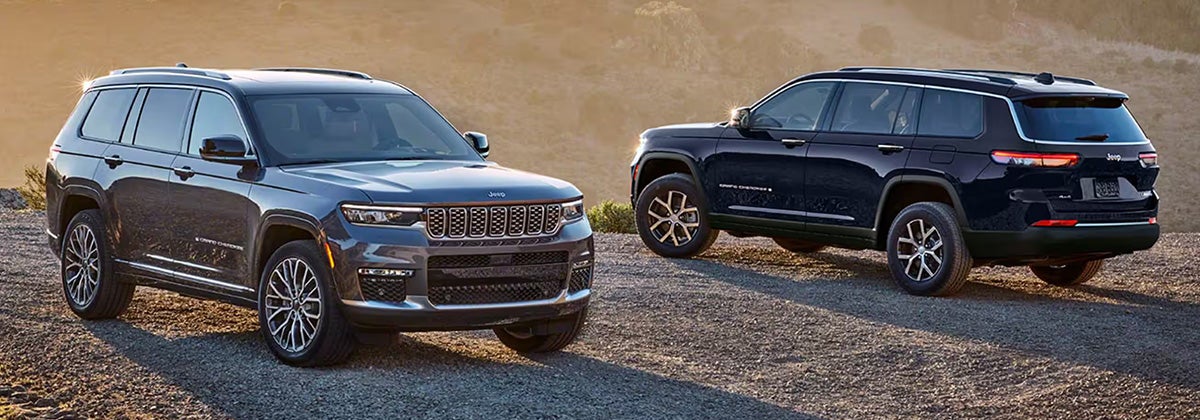
The 2026 Jeep Grand Cherokee has arrived at Prince Frederick CDJR, bringing with it a refined exterior design and a significant update to its powertrain lineup. As a cornerstone of the midsize SUV segment, the latest Grand Cherokee continues to offer a range of configurations to suit various lifestyles, from the efficient daily commuter to the luxury-focused traveler. For the 2026 model year, Jeep has introduced the Hurricane 4 engine as a new standard for several trim levels, marking a shift toward power-dense, turbocharged performance. Whether you are considering the traditional two-row model or the three-row Grand Cherokee L, understanding the distinctions between each trim level is essential to finding the vehicle that aligns with your specific needs. At Prince Frederick CDJR, we believe in providing our customers with the detailed information necessary to make an informed decision. Below is an informative breakdown of the 2026 Jeep Grand Cherokee trim levels and the key features offered in this year's refresh. Performance and Powertrain Options For 2026, the Grand Cherokee offers two primary gasoline engines, each designed to balance capability with modern engineering. Our team at Prince Frederick CDJR is available to help you compare these powerplants in person. 3.6L Pentastar® V6 Engine: This proven powerplant remains standard on the Laredo and Laredo X trims. It delivers a manufacturer-estimated 293 horsepower and 260 lb-ft of torque, providing a reliable foundation for everyday driving and towing. 2.0L Hurricane 4 Turbo Engine: New for 2026, this turbocharged four-cylinder engine becomes the standard offering for the Altitude trim and above. It produces an impressive 324 horsepower and 332 lb-ft of torque, offering more power than the outgoing V6 while maintaining a best-in-class maximum towing capacity of up to 6,200 pounds when properly equipped. 2026 Jeep Grand Cherokee Trim Level Breakdown Laredo The Laredo serves as the foundational trim level, offering a comprehensive suite of standard safety and technology features. It is designed for those who value the core Grand Cherokee experience with an emphasis on essential utility. Engine: 3.6L Pentastar® V6 Key Features: 12.3-inch Uconnect® 5 touchscreen (newly standard for 2026), wireless Apple CarPlay® and Android Auto™, and 17-inch fully painted aluminum wheels. Safety: Standard ProTech I safety package, including Blind Spot Monitoring and Rear Cross Path Detection. Altitude The Altitude trim transitions the Grand Cherokee into a more modern, "blacked-out" aesthetic while introducing the new Hurricane 4 engine as standard equipment. Engine: 2.0L Hurricane 4 Turbo Key Features: 18-inch gloss black wheels, gloss black exterior accents, and Capri leatherette seats with suede inserts. Convenience: Remote vehicle start, a heated steering wheel, and a wireless charging pad. Limited Positioned as a versatile option for many shoppers at Prince Frederick CDJR, the Limited trim balances premium interior materials with advanced convenience features. It focuses on a more refined on-road experience. Engine: 2.0L Hurricane 4 Turbo Key Features: Capri leather-trimmed interior, heated front and second-row seats, and a power liftgate with adjustable height. Technology: Six-speaker premium audio system and available memory settings for the driver’s seat and mirrors. Summit The Summit represents the pinnacle of Jeep luxury and technological integration. This trim is designed for drivers who prioritize a near-luxury environment and the most advanced driver-assistance systems available. Engine: 2.0L Hurricane 4 Turbo Key Features: Nappa leather seats with massage functionality, four-zone automatic climate control, and a 360-degree Surround View Camera. Capability: Standard Quadra-Lift® Air Suspension and the Quadra-Trac II® 4x4 system, which allows for adjustable ride height and enhanced off-road traction. 2026 Trim Level Comparison Chart Feature Laredo Altitude Limited Summit Standard Engine 3.6L V6 2.0L Turbo 2.0L Turbo 2.0L Turbo Drivetrain 4x2 or 4x4 4x2 or 4x4 4x2 or 4x4 4x4 Standard Touchscreen 12.3-inch 12.3-inch 12.3-inch 12.3-inch Seating Material Cloth Leatherette/Suede Capri Leather Nappa Leather Max Towing 6,200 lbs 6,200 lbs 6,200 lbs 6,200 lbs Wheel Size 17-inch 18-inch 18-inch 20-inch Technology and Safety Highlights The 2026 Grand Cherokee continues the Jeep commitment to safety, offering over 110 standard and available safety and security features. Every 2026 model now features the updated 12.3-inch Uconnect® 5 system, which offers faster processing speeds and a more intuitive user interface than previous iterations. Available safety upgrades include: Active Driving Assist: Helps keep the vehicle centered in its lane and maintains a set distance from vehicles ahead. Night Vision: Uses thermographic technology to detect pedestrians and animals in the dark. Drowsy Driver Detection: Monitors driving patterns and provides alerts if the system detects signs of fatigue. Frequently Asked Questions (FAQ) Where can I find the 2026 Jeep Grand Cherokee in Prince Frederick? You can explore the full lineup of 2026 models at Prince Frederick CDJR. Our team is ready to walk you through each trim level and answer any technical questions you may have. Does the 2026 Jeep Grand Cherokee still offer a V6 engine? Yes, the 3.6L Pentastar® V6 remains the standard engine for the Laredo and Laredo X trims. Higher trims now feature the 2.0L Hurricane 4 Turbo engine as standard. What is the seating capacity of the 2026 Grand Cherokee? The standard Grand Cherokee features two rows with seating for five passengers. If you require more space, the Grand Cherokee L provides a third row, accommodating up to six or seven passengers depending on the configuration. How much can the 2026 Grand Cherokee tow? When properly equipped with either the 3.6L V6 or the 2.0L Hurricane 4 Turbo engine, the 2026 Grand Cherokee offers a best-in-class maximum towing capacity of up to 6,200 pounds. Is 4x4 standard on all 2026 models? Four-wheel drive (4x4) is available across the entire lineup. While it is an available option on Laredo, Altitude, and Limited trims, it comes standard on the Summit and Summit Reserve models. Visit Prince Frederick CDJR Today Ready to see how the 2026 Jeep Grand Cherokee handles on the road? The best way to determine which trim level is right for you is to experience them firsthand. We invite you to contact us or visit Prince Frederick CDJR at 265 Solomons Island Rd N to browse our current inventory and speak with our knowledgeable sales professionals. Whether you want to test the power of the new Hurricane 4 engine or explore the luxury of the Summit trim, our team is here to provide a transparent, pressure-free shopping experience. Stop by our showroom today or contact us to schedule your personalized test drive.

2500

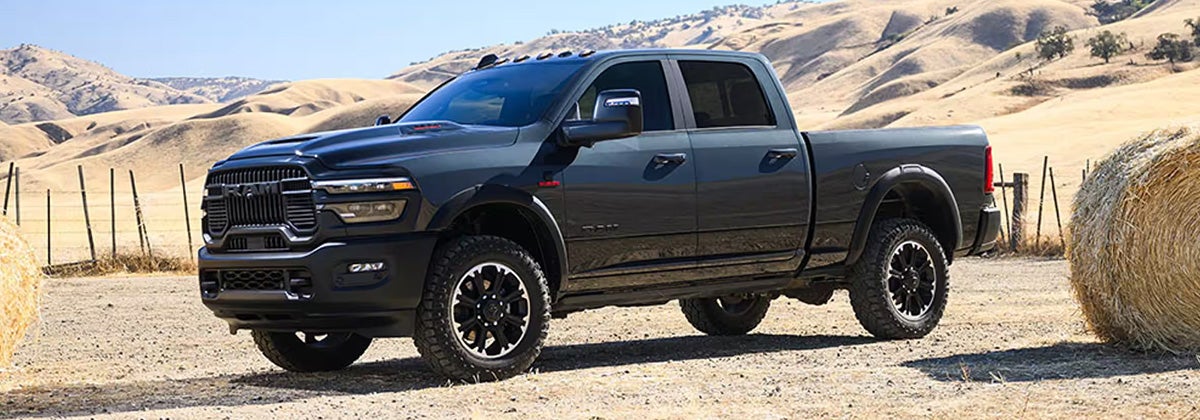
Everything to Know About the 2026 RAM 2500

The heavy-duty truck segment continues to evolve, and the 2026 RAM 2500 represents the latest iteration in RAM's commitment to delivering capable work trucks. Whether you're researching options for commercial use, recreational towing, or daily driving needs, understanding the specifications and features of the 2026 RAM 2500 can help inform your vehicle decision. Overview of the 2026 RAM 2500 The RAM 2500 sits in the three-quarter-ton truck category, designed to handle demanding tasks that fall between light-duty and one-ton truck capabilities. This model year brings refinements to RAM's heavy-duty lineup, maintaining the truck's reputation for combining work-ready functionality with modern comfort features. Powertrain Options The 2026 RAM 2500 offers multiple engine configurations to suit different performance and efficiency needs: Available Engines 6.4L HEMI V8 Gasoline-powered option Designed for drivers who prefer traditional fuel Delivers substantial horsepower and torque for towing and hauling 6.7L Cummins Turbo Diesel I6 High-torque diesel engine Popular among those requiring maximum towing capacity Known for longevity and fuel efficiency under load Transmission Both engine options pair with heavy-duty automatic transmissions engineered to handle the demands of towing and payload requirements. Capability Specifications Capability Metric Rating Range Maximum Towing Capacity Up to 20,000+ lbs (when properly equipped) Maximum Payload Up to 4,000+ lbs (when properly equipped) Bed Lengths Available 6'4" and 8' options Cab Configurations Regular, Crew, Mega Cab Note: Actual capabilities vary by configuration, equipment, and drivetrain selection. Trim Levels and Configurations The 2026 RAM 2500 lineup includes multiple trim levels to accommodate different preferences and budgets: Tradesman: Work-focused trim with essential features Big Horn/Lone Star: Added comfort and convenience features Laramie: Premium interior appointments and technology Rebel: Off-road oriented styling and equipment Limited: Luxury-focused with high-end materials Power Wagon: Dedicated off-road capability package Interior Features and Technology Modern heavy-duty trucks serve as both work vehicles and daily drivers, and the 2026 RAM 2500 includes features that address both roles: Technology Features Uconnect infotainment system with touchscreen display Smartphone integration (Apple CarPlay and Android Auto) Available premium audio systems Digital instrument cluster options USB charging ports throughout the cabin Comfort and Convenience Multiple seating configurations based on cab style Available leather upholstery Power-adjustable front seats Climate control systems Rear seat storage solutions in crew cab models Safety and Driver Assistance The 2026 RAM 2500 incorporates various safety technologies designed to assist drivers in different conditions: Blind spot monitoring Rear cross-traffic alert Forward collision warning Adaptive cruise control (on select trims) Trailer brake control integration 360-degree camera system (available) Towing and Hauling Features For those who use their trucks for work or recreation, the RAM 2500 includes features specifically designed for towing and hauling: Towing Technologies Integrated trailer brake controller Trailer reverse guidance system Multiple camera views for hitching Trailer tire pressure monitoring Cargo view camera Bed Features RamBox cargo management system (available) Spray-in bedliner options Tie-down points and cleats Tailgate configurations including multifunction and split options Fifth-wheel/gooseneck prep packages Fuel Efficiency Considerations Heavy-duty trucks prioritize capability over fuel economy, but efficiency remains a consideration for many buyers: Diesel engines typically provide better fuel economy under load Gasoline engines may offer lower upfront costs Actual fuel consumption varies significantly based on usage, payload, and towing Driving habits and terrain impact overall efficiency Comparison Factors When evaluating the 2026 RAM 2500 alongside other vehicles in its class, consider these key factors: What Sets Heavy-Duty Trucks Apart Feature Category Consideration Points Towing Capacity Maximum trailer weight needs Payload Requirements Bed capacity for materials/equipment Engine Preference Diesel vs. gasoline based on usage patterns Cab Size Passenger and storage requirements Technology Needs Infotainment and driver assistance priorities Customization and Accessories RAM offers extensive customization options for the 2500, allowing buyers to tailor trucks to specific needs: Various wheel and tire packages Bed accessories and storage solutions Running boards and step systems Lighting upgrades Protection packages (skid plates, guards) Frequently Asked Questions What is the difference between the RAM 2500 and RAM 3500? The RAM 3500 is a one-ton truck with higher towing and payload ratings than the 2500. The 3500 offers single and dual rear wheel configurations, while the 2500 comes only with single rear wheels. Choice depends on specific capability requirements. Can the RAM 2500 be used as a daily driver? Yes, many owners use the RAM 2500 as a daily driver. Modern heavy-duty trucks include comfort and technology features similar to light-duty models. However, the larger size and lower fuel economy compared to half-ton trucks are factors to consider. What type of fuel does the RAM 2500 require? The gasoline 6.4L HEMI V8 uses regular unleaded fuel (87 octane recommended). The 6.7L Cummins diesel requires ultra-low sulfur diesel fuel and diesel exhaust fluid (DEF) for emissions control. How does payload capacity differ from towing capacity? Payload capacity refers to the weight that can be carried in the truck bed and cab (cargo and passengers). Towing capacity is the maximum weight the truck can pull on a trailer. Both are important specifications that vary based on configuration and equipment. What is the bed length that best suits most needs? Bed length choice depends on intended use. The 6'4" bed offers better maneuverability and fits in more garages, while the 8' bed provides maximum cargo space for longer materials and equipment. Consider your typical cargo and parking constraints. Does the RAM 2500 require special licensing? For personal use, the RAM 2500 does not require a commercial driver's license (CDL). However, if used commercially with certain types of trailers or cargo, CDL requirements may apply based on gross combined weight rating (GCWR). Check local regulations for specific requirements. How often does the diesel engine require DEF refills? DEF consumption varies based on driving conditions and load, but typically the DEF tank needs refilling every 5,000-10,000 miles. The vehicle's monitoring system provides alerts when DEF levels are low. Are there significant differences between 4x2 and 4x4 models? 4x2 (two-wheel drive) models offer higher payload capacity and slightly better fuel economy. 4x4 (four-wheel drive) models provide enhanced traction for off-road use, adverse weather conditions, and demanding work environments. The choice depends on typical driving conditions and terrain. What maintenance schedule should I follow? Follow the manufacturer's recommended maintenance schedule found in the owner's manual. Diesel engines have different intervals than gasoline engines, and severe-duty usage (frequent towing, off-road driving) may require more frequent service. Can I install aftermarket accessories on the RAM 2500? Yes, the RAM 2500 accepts a wide range of aftermarket accessories. However, modifications can affect warranty coverage and vehicle performance. Consult with your dealer about how specific modifications might impact your vehicle. Making an Informed Decision at Prince Frederick CDJR Selecting the right vehicle involves careful consideration of your specific needs, usage patterns, and budget. The 2026 RAM 2500 offers substantial capabilities in the heavy-duty truck segment, with various configurations designed to meet different requirements. At Prince Frederick CDJR, our team understands that researching vehicles is an important step in the purchasing process. While we specialize in Kia vehicles, we recognize that informed consumers benefit from comprehensive information about all available options in the marketplace. Whether you're comparing different truck models, evaluating capability requirements, or exploring various vehicle segments entirely, having access to detailed specifications and features helps you make the choice that best aligns with your needs.We invite you to visit Prince Frederick CDJR to discuss your vehicle requirements. Our knowledgeable staff can provide information about various options, answer questions about financing, and help you understand the features that matter most for your specific situation. Making an informed vehicle decision starts with education, and we're here to assist you throughout that process. Contact Prince Frederick CDJR today to learn more about how we can help you find the right vehicle for your lifestyle and needs.